Back garden and backyard design ideas, with plants that suit the plot
Start by measuring your back garden and checking its sunlight, drainage and access. Decide where you want to sit and what to keep, then plan paths, lawn edges and borders before choosing plants. Garden Stylist AI shows example redesigns of a lawn-and-fence plot in several styles, and every plant beside them lists its hardiness, sun, aspect and soil.
By Garden Stylist AI. Last updated
Plants in this back garden design
Verbena bonariensis
purple top
- Light
- Full sun
- Hardiness
- RHS H4, AGM
- US zone
- 7a to 11b
- Soil
- chalk, loam, sand
- Size
- 2.5m x 50cm
RHS page, checked Oct 2026
Echinacea purpurea
purple coneflower
- Light
- Sun or part shade
- Hardiness
- RHS H5
- US zone
- 3a to 8b
- Soil
- chalk, loam, sand
- Size
- 1.5m x 50cm
RHS page, checked Oct 2026
Euphorbia characias subsp. wulfenii
Mediterranean spurge
- Light
- Full sun
- Hardiness
- RHS H4
- US zone
- 6a to 8b
- Soil
- chalk, loam, sand
- Size
- 1.5m x 1.5m
RHS page, checked Oct 2026
Hylotelephium Herbstfreude Group
- Light
- Full sun
- Hardiness
- RHS H7
- US zone
- zone not published
- Soil
- loam, sand
- Size
- 1m x 1m
RHS page, checked Oct 2026
Knautia macedonica
Macedonian scabious
- Light
- Full sun
- Hardiness
- RHS H7
- US zone
- zone not published
- Soil
- chalk, loam, sand
- Size
- 1m x 50cm
RHS page, checked Oct 2026
Persicaria amplexicaulis
red bistort
- Light
- Sun or part shade
- Hardiness
- RHS H7
- US zone
- zone not published
- Soil
- clay, loam
- Size
- 1.5m x 1.5m
RHS page, checked Oct 2026
Plants in this back garden design
How do I design a back garden or backyard?
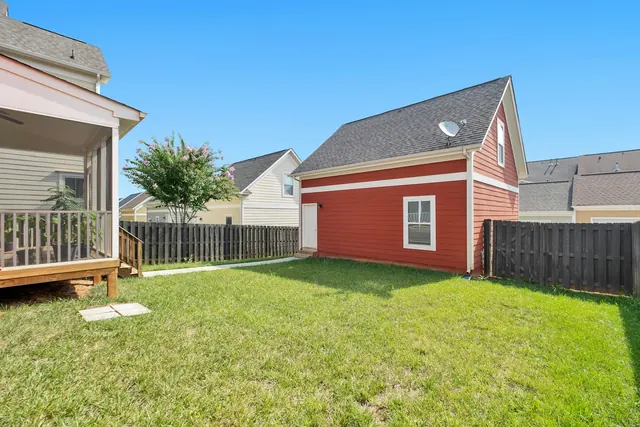
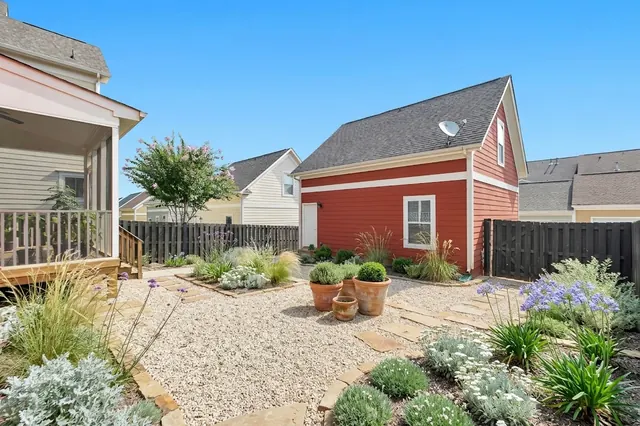
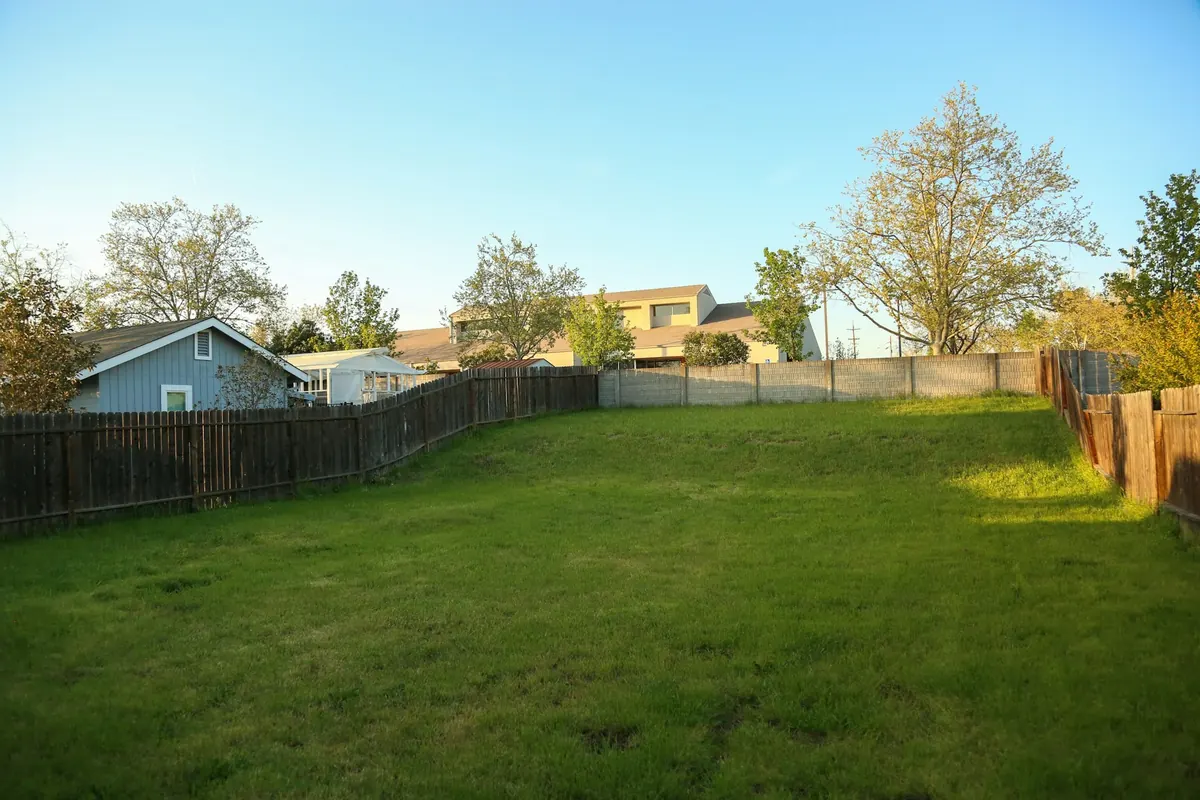
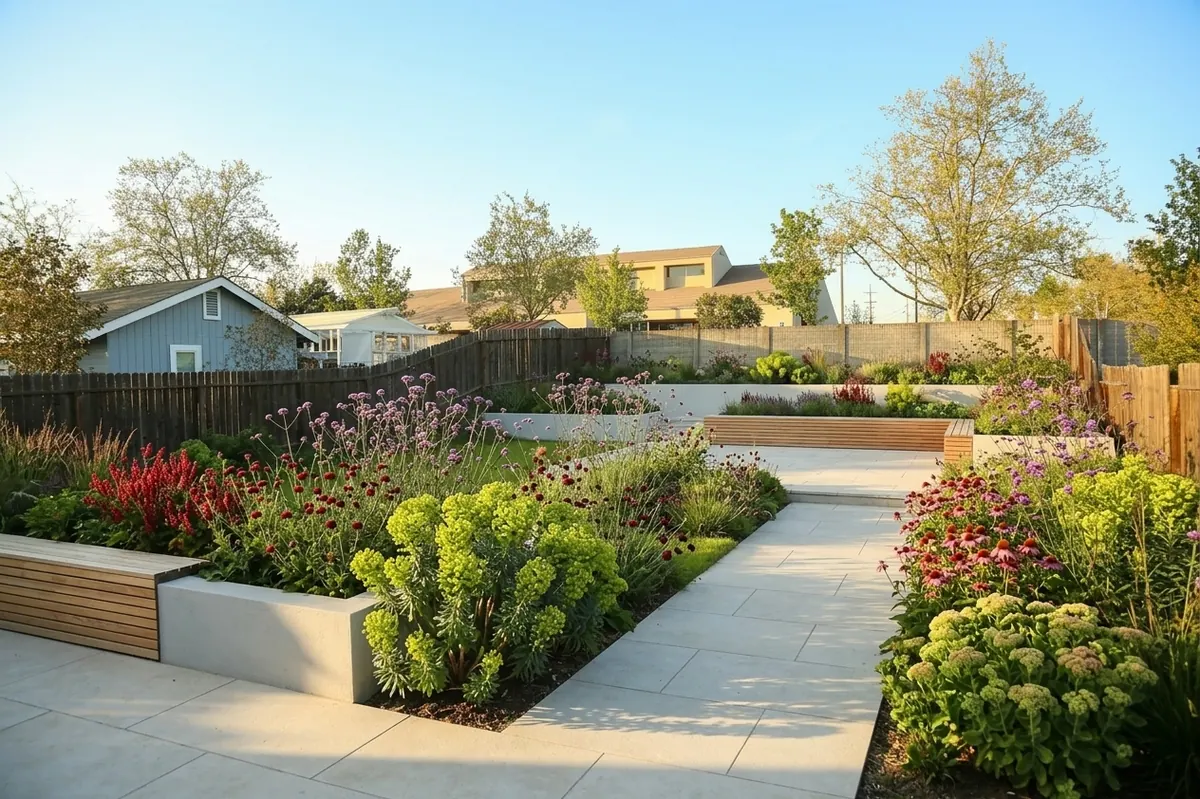
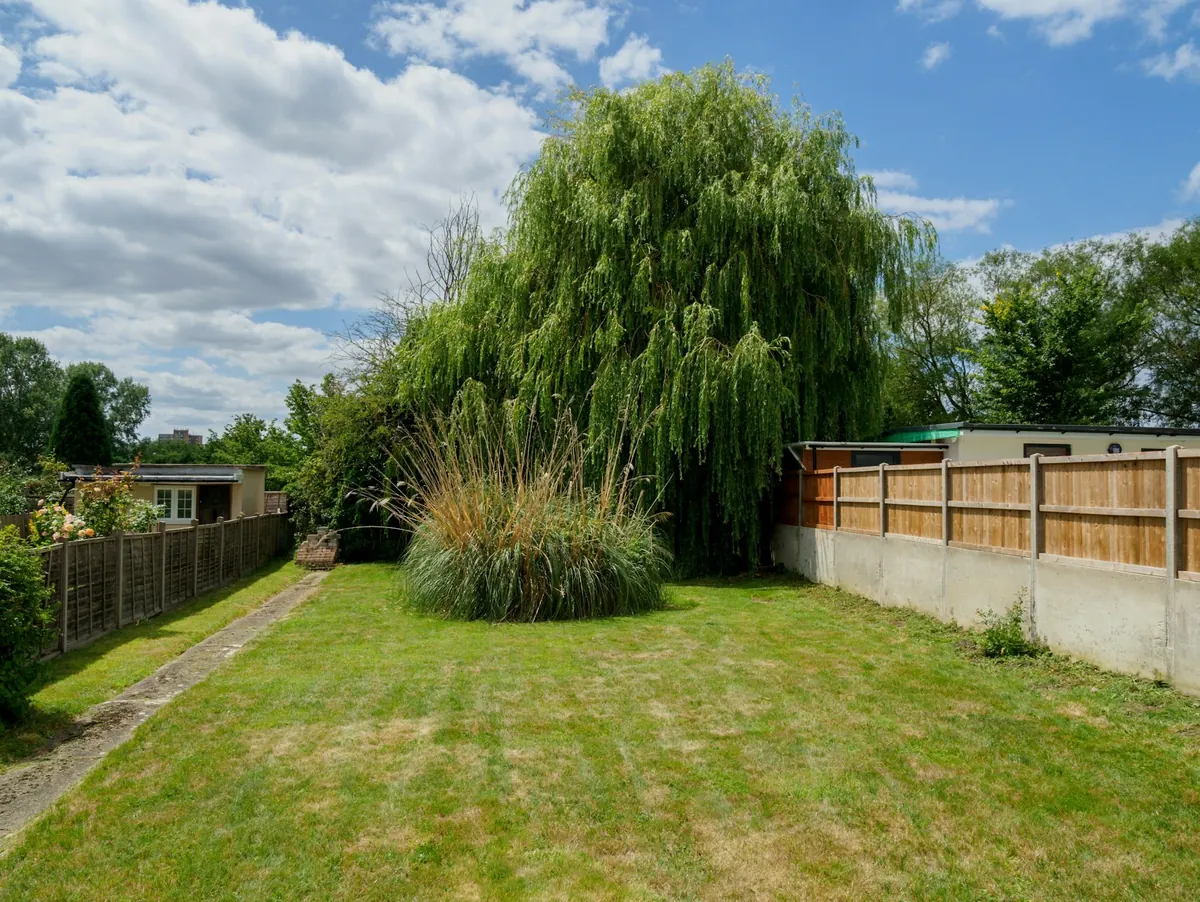
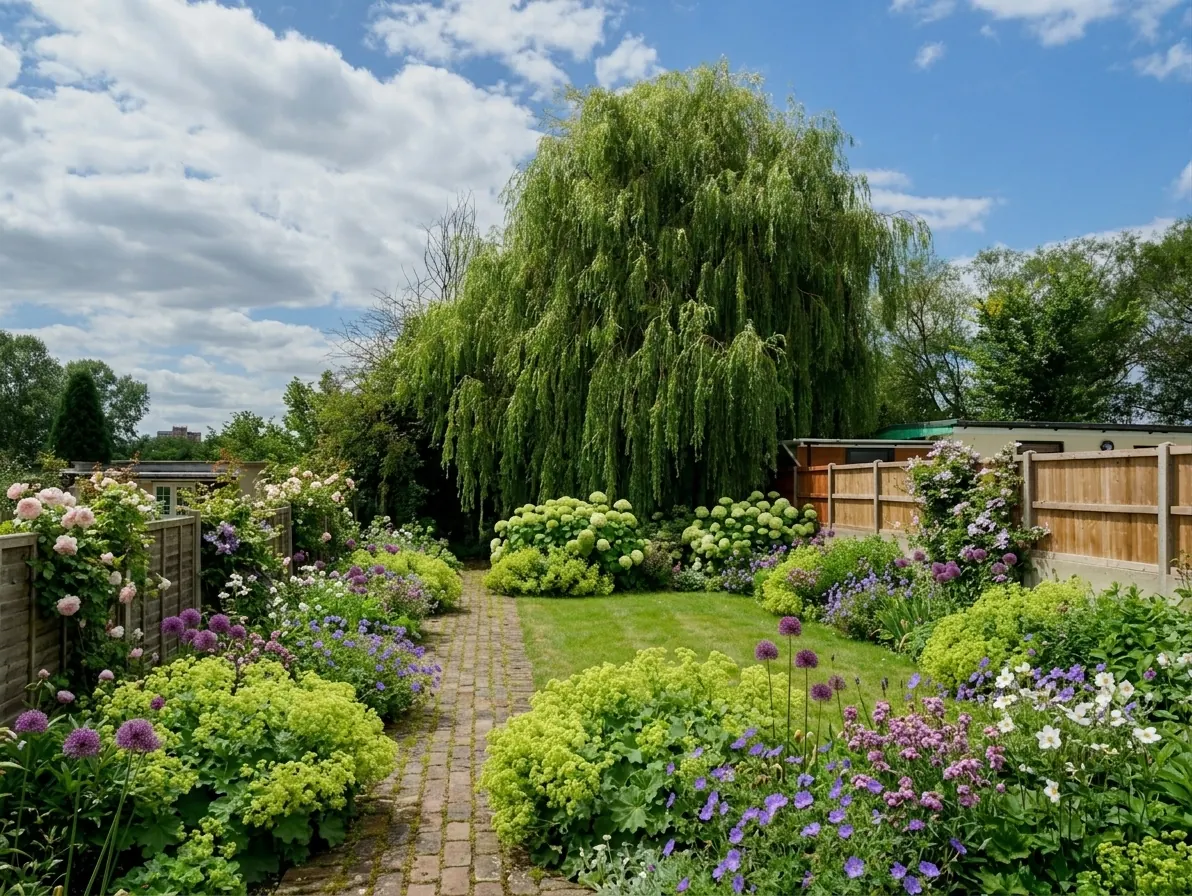
The photo above is a lawn bordered by fences, redesigned as an AI generated example in a modern style. The lawn is kept, the borders are replanted, and tall grasses and perennials soften the fence line. Use it to compare border shapes and planting, then check what will fit your own plot.
Work through the plot in this order:
- Walk it at different times of day and note where the sun sits in the morning, at lunch and in the evening.
- Choose a seating position that works with the sunlight, access and available space.
- Draw border edges with enough room to turn the mower, and avoid tight curves and narrow strips of lawn.
- Choose plants last, checking each against your light and soil.
If you are choosing a look first, the modern and low maintenance pages show the same kind of plot in each style.
What are good back garden ideas for a lawn and fence plot?
Borders along the fences can soften the boundary while leaving the centre open for lawn or seating.
Layer the borders
Put taller plants at the back, medium plants in the middle and low edging plants at the front. In the modern render above, grasses and tall perennials sit behind shorter flowering plants. That gives depth even in a plot that is not large.
Repeat plants
Repeating a few plant varieties can help a border feel coherent, and you can leave room for other plants you enjoy. Pick a short list from the table below and repeat it.
Add structure for winter
Many herbaceous perennials die back in autumn, although some keep useful stems and seedheads through winter. A few evergreen shrubs, or grasses that stand through winter, keep the shape. You can look for them on the plants page.
Which style suits my back garden?
The same lawn-and-fence photo reads very differently in a cottage style. The render above uses looser planting, with tall flowers pressed up against the fence. It suits a plot where you want a fuller look and do not mind some deadheading.
For a modern look, you could repeat a limited selection of plants in broad groups. A Mediterranean style suits a sunny, well-drained plot, and the gallery at the bottom of this page shows that version of the same photo.
Check the requirements of each plant against your plot. Lavender in a Mediterranean design generally needs full sun and free-draining soil, and wet, shaded conditions increase the risk of poor growth and root rot. That is why each plant in the tables shows its sun, aspect and soil.
What plants go in a back garden border?
The table lists the plants from this page's modern design and four from the cottage version. It shows hardiness, sun, aspect, soil and size for each. The hardiness figure is the RHS rating, which indicates cold tolerance. Drainage, exposure and local conditions also affect winter survival.
| Plant | RHS hardiness | USDA zones | Light | Soil | Height x spread |
|---|---|---|---|---|---|
| purple top (Verbena bonariensis) | H4, AGM | 7a to 11b | Full sun | Chalk, Loam, Sand | 2.5m x 50cm |
| purple coneflower (Echinacea purpurea) | H5 | 3a to 8b | Sun or part shade | Chalk, Loam, Sand | 1.5m x 50cm |
| Mediterranean spurge (Euphorbia characias subsp. wulfenii) | H4 | 6a to 8b | Full sun | Chalk, Loam, Sand | 1.5m x 1.5m |
| null (Hylotelephium Herbstfreude Group) | H7 | zone not published | Full sun | Loam, Sand | 1m x 1m |
| Macedonian scabious (Knautia macedonica) | H7 | zone not published | Full sun | Chalk, Loam, Sand | 1m x 50cm |
| red bistort (Persicaria amplexicaulis) | H7 | zone not published | Sun or part shade | Clay, Loam | 1.5m x 1.5m |
| lady's mantle (Alchemilla mollis) | H7, AGM | 3a to 8b | Sun to full shade | Chalk, Clay, Loam, Sand | 50cm x 50cm |
| Dutch garlic 'Purple Sensation' (Allium 'Purple Sensation') | H6, AGM | zone not published | Full sun | Chalk, Loam, Sand | 1m x 50cm |
| Japanese anemone 'Honorine Jobert' (Anemone × hybrida 'Honorine Jobert') | H7, AGM | 4a to 8b | Sun or part shade | Chalk, Clay, Loam, Sand | 1.5m x 1m |
| wallflower 'Bowles's Mauve' (Erysimum linifolium 'Bowles' Mauve') | H4, AGM | 7a to 9b | Full sun | Chalk, Loam, Sand | 1m x 1m |
Facts from each plant's RHS Find a Plant page and the NC State Extension plant toolbox (USDA zones), checked 16 October 2026. Each plant links to its source on the plant list page.
Match the plants to your garden's sun and soil first, then choose between them on looks. The north-facing garden page explains how shade can vary across the plot.
What if my backyard is overgrown?
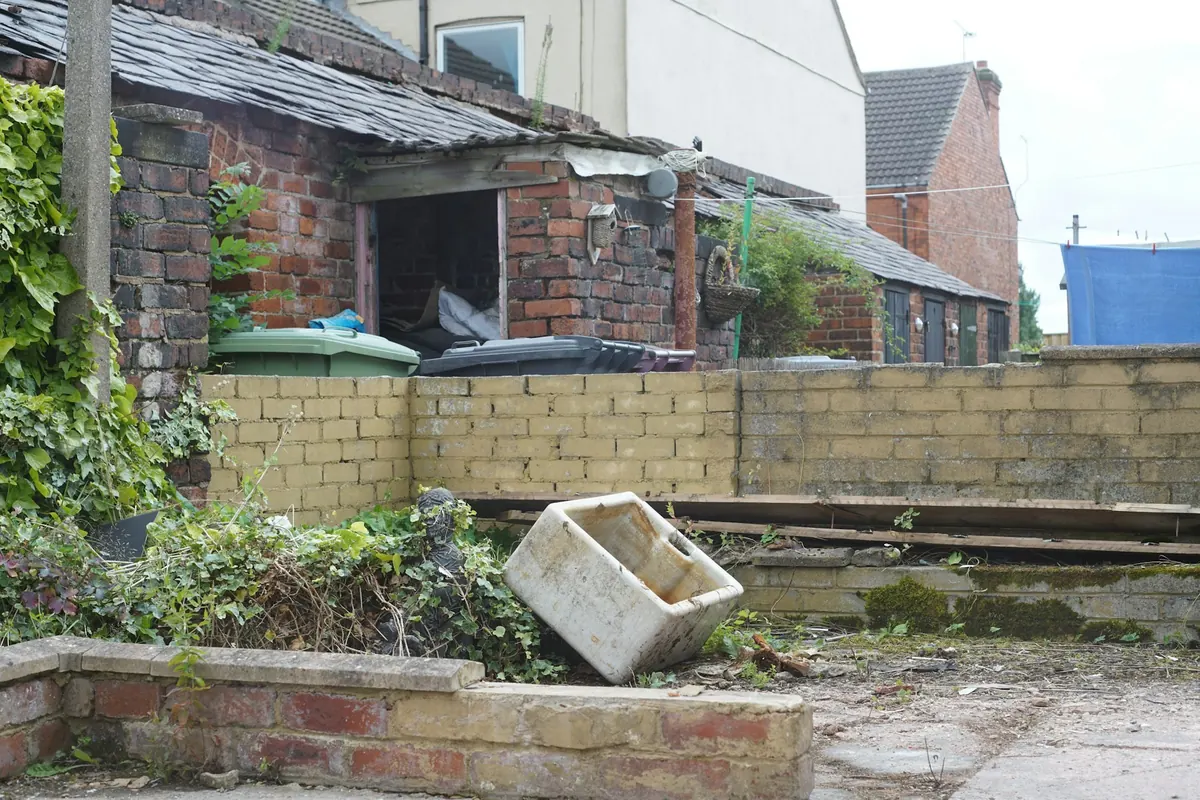
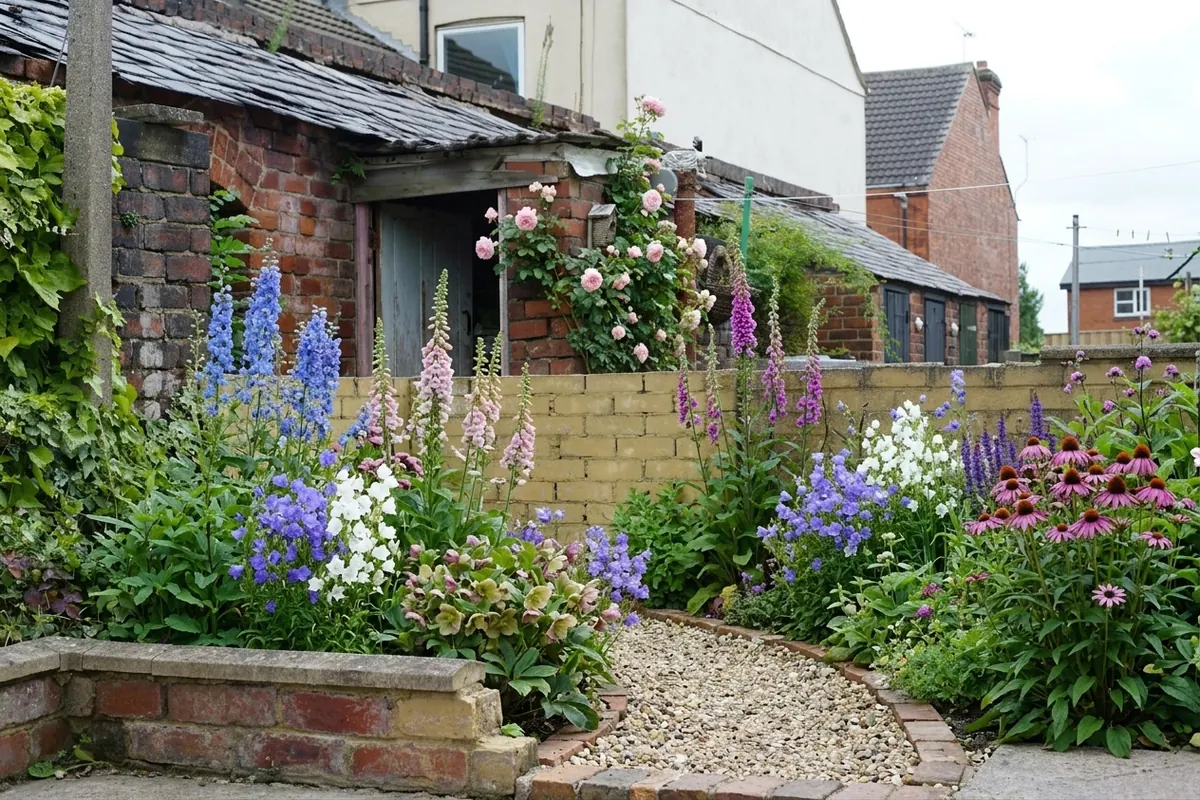
An overgrown plot is a common starting point, and the render above shows one replanted. Assess the plot before clearing it. Identify plants worth keeping and check any restrictions before removing trees or substantial planting.
Plan access and complete any drainage, paving or other disruptive work before planting. Repair or lay the lawn after heavy work is finished.
How much does a back garden redesign cost?
Paving, clearance, drainage and changes to levels can all affect the budget. The table gives UK ranges from named cost guides for individual jobs. Check what each estimate includes and avoid adding overlapping project totals.
| Job (UK, installed unless stated) | Typical rate | Sources |
|---|---|---|
| New turf, supplied and laid | £13 to £30 per m2 | MyJobQuote, Fantastic Services, MyJobQuote |
| Planting a border (planting scheme, whole job) | £300 to £550 per job (size unspecified) | Fantastic Services |
| Fence panel replacement (6ft timber) | £60 to £120 per panel | MyJobQuote, Fantastic Services |
| Timber raised bed 2m x 1m, built | £60 to £300 per bed (2m x 1m) | MyJobQuote |
| Full garden landscaping, small garden | £3,000 to £7,000 per project | Fantastic Services, Book a Builder, MyJobQuote |
| Garden designer, full design fee | £600 to £4,500 per design | MyJobQuote |
UK averages including labour, read from the named cost guides on 16 October 2026. London and the South East usually sit at the top of each range. Get at least three quotes.
For a paved seating area, see the patio design page, which prices porcelain, sandstone and concrete side by side.
What about new-build or sloped plots?
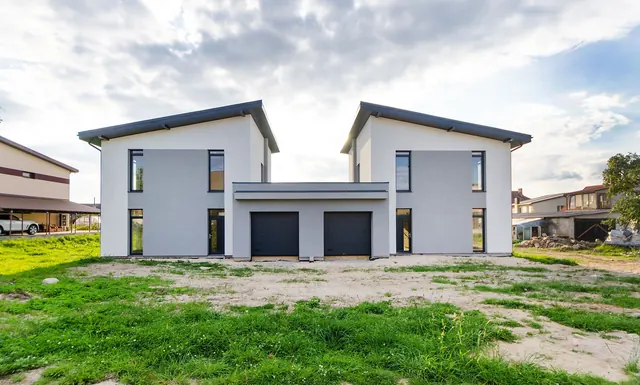
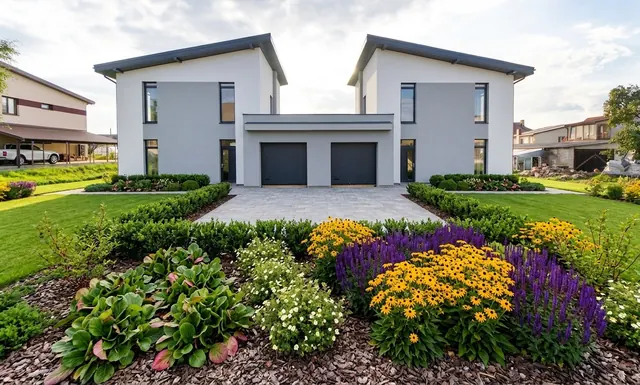
Check a new-build garden's soil and drainage before planting, because construction work may have compacted the ground. The gallery below includes a new-build plot and a sloped lawn as extra examples. A render cannot verify levels or whether retaining walls are needed, so use the render for planting ideas and get a site visit for the levels.
How do I keep a back garden easy to look after?
Plan around the jobs you have time for, such as mowing, weeding, pruning and the care each plant needs. Smaller lawns with clean edges take less time than large ones. Some perennials and deciduous grasses keep their stems through winter before being cut back, so follow species-specific advice; evergreen grasses may need combing or selective trimming.
A layer of mulch over bare soil in the borders cuts down weeding and holds moisture. Put it on after planting, and keep it clear of plant stems. The low maintenance page shows the same lawn-and-fence plot planted for minimum upkeep.
Where should the seating area go in a back garden?
Put the seating where you will use it most. Many people choose the house wall because it is convenient, but the spot that gets evening sun may be further down the garden. If you mostly sit out after work, a second seat at the far end can earn its place. A path across the lawn turns the whole garden into somewhere to go, not just somewhere to look at.
Whichever you choose, give the seating area a firm, level base. The patio page explains why slabs need a proper base and what the common materials cost.
When can I use my own back garden photo?
Rendering from your own photo is not live yet.
You can pick a photo and join the waitlist on the waitlist page. The front garden page covers the other side of the house.